
The Sunday Wardrobe Reset That Starts with Next Week
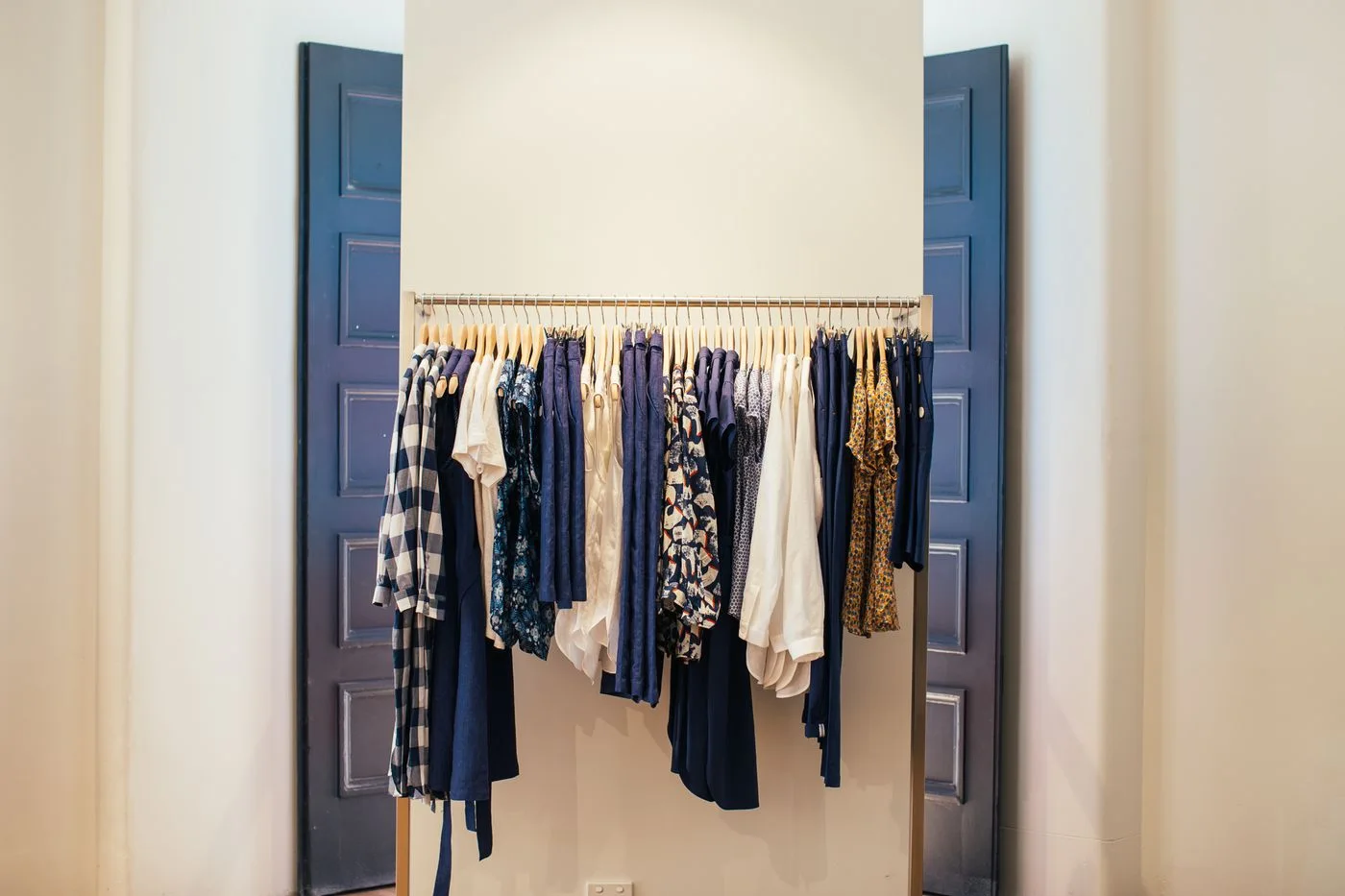
A wardrobe reset can become an entire afternoon of emptying drawers and creating piles. That is useful occasionally, but it is not always what Sunday needs. A smaller reset starts with the coming week: the clothes required for actual plans, the laundry that needs attention, and the familiar pieces that have drifted out of reach.
Give the task a clear end. You are preparing several workable outfits, not solving your whole personal style. A brief, focused routine can reveal whether you need a repair, a better combination, or one considered purchase. It can also reveal that the wardrobe already contains enough.
Look at the calendar before the hangers
Write down the moments that affect clothing: office days, an appointment, an evening meal, a long commute, or time outdoors. Check the likely weather while remembering that forecasts can change. The aim is to see where ordinary outfits will do and where something different needs preparation.
Choose the most demanding day first. If it includes an early departure and dinner straight after work, build a combination that handles both without a complete change. Lay out the shoes and outer layer as well as the clothes. A top that works beautifully alone may not fit comfortably beneath the jacket you need for the commute.
Make three complete combinations
Start with three outfits rather than assigning a unique look to every day. Repeat a trouser or cardigan if that suits your routine, allowing for cleanliness and care. Include underwear choices when they affect a neckline or the fit of a garment. Missing those details can turn a complete-looking outfit into a frustrating morning.
Try any uncertain combination on. Sit, reach, and put on the shoes. Notice the parts that require constant adjusting. A quick phone photograph can preserve a successful look without needing an app or new organizing system. Keep the images for your own reference and use them when the morning feels rushed. The useful result is a group of outfits you trust, not a perfectly styled rail.
Bring clothes back into circulation
Return clean laundry to its proper place before deciding what is missing. A favorite shirt in a laundry basket can look like a wardrobe gap when it is simply unavailable. Separate items needing washing from those that can appropriately be worn again, following care labels and your own hygiene needs.
Give worn-but-not-ready-for-washing pieces a defined temporary place rather than mixing them randomly into clean drawers. That might be a small section of rail or a suitable hanger. Keep the area limited so it does not become a second wardrobe. Fold knits and hang garments according to their construction and care needs; a heavy knit does not automatically benefit from being hung by the shoulders.
Keep a repair list with an action
Look at the clothes you planned to wear and note missing buttons, loose hems, damaged zips, or fit problems. Be specific. “Fix black trousers” is less useful than “ask tailor about shortening black trouser hem for everyday flats.” An action and a named garment make the task easier to complete.
Place repair items together and decide which ones you can handle and which need professional advice. Do not keep removing a garment from the weekly plan without taking the next step. Equally, avoid paying for an alteration before considering whether the garment otherwise fits and suits your life. A repair can extend usefulness, but it does not solve every reason a piece goes unworn.
Separate a missing item from a missing idea
If a skirt never seems to work, try it with familiar tops and shoes before shopping for a special partner. The issue may be proportion, a tuck, or the wrong outer layer. Buying a new top for every difficult bottom can create a chain of purchases without making dressing easier.
Write a shopping note only when you can describe the practical gap. For example: “a washable top with a neckline that works beneath the office cardigan,” rather than “more basics.” Include the colors, sleeve needs, and clothes it must work with. This turns future browsing into a comparison against real requirements instead of a search for something that feels generally useful.
Use one shelf or drawer as the stopping point
If organization is part of the reset, choose a limited area. Refold the T-shirts you use weekly or clear the shoe shelf needed for the next few days. Avoid opening every storage box unless you have the time and energy to finish. A small completed job is more helpful than an entire room left in piles.
Before buying containers, measure the drawer or shelf and consider whether you need them at all. Dividers can keep small items together, but they also consume space and may not fit the way your clothes fold. An existing small box may be enough for socks or accessories. Match storage to the contents after editing, not to an idealized picture of a closet.
Finish with Monday ready
Place the first outfit somewhere easy to reach, including shoes and any essential layer. Put items for an appointment or special occasion in the relevant bag if appropriate. Return the remaining clothes, close the drawers, and stop. The reset should leave the room more usable than when you began.
Review the routine after a few weeks. If the same item repeatedly appears on the repair or shopping list, make a decision about it. If three combinations consistently cover the week, there is no need to invent more work. Explore our latest articles for practical dressing ideas, or continue with the everyday living archive for routines that make space for the rest of Sunday.