
Choose Reading-Corner Lighting from the Chair Outward
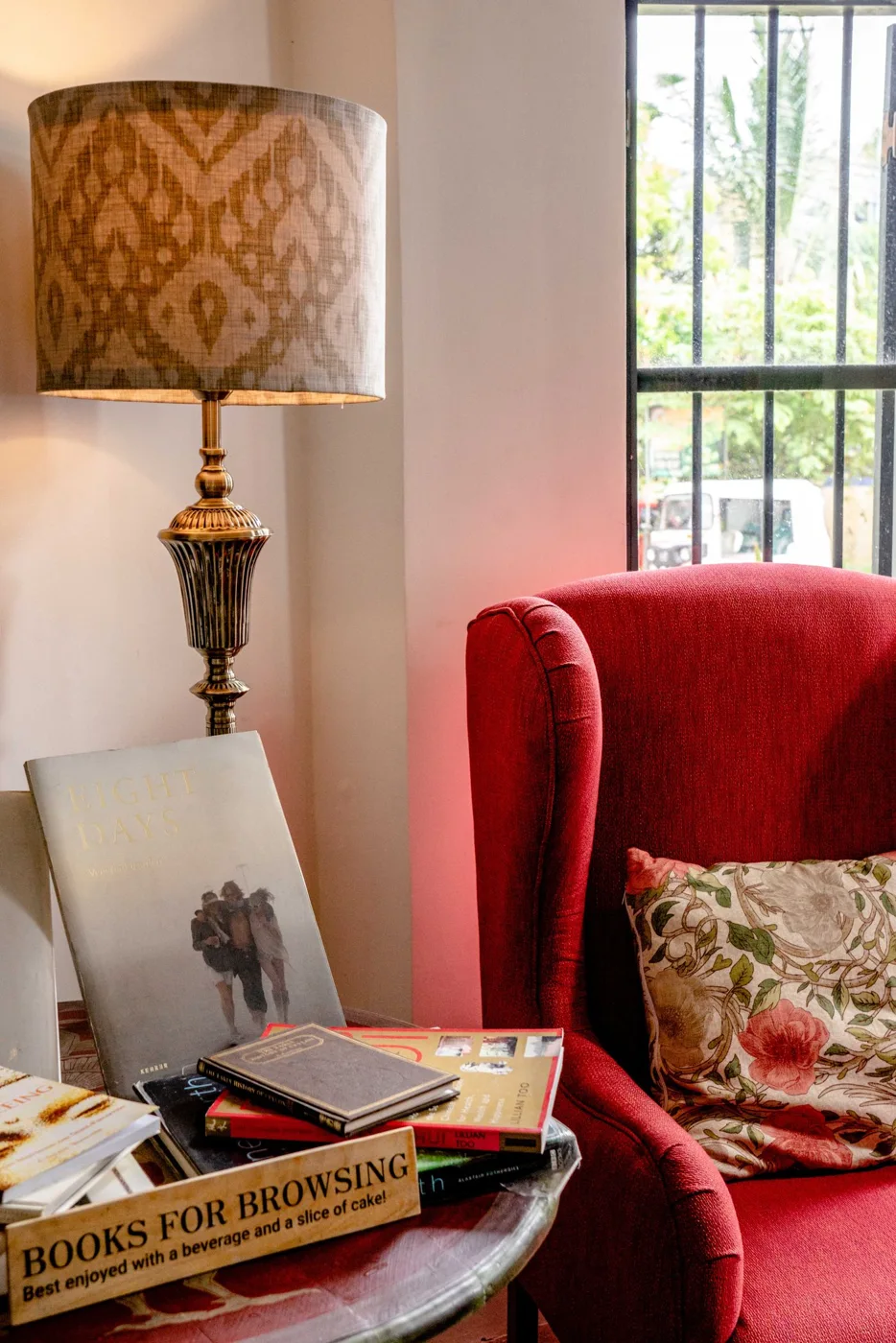
A reading corner begins with the place you actually sit, not with a lamp chosen in isolation. A beautiful shade can send light toward the wall while leaving the page dim. A practical reading lamp can still be inconvenient if its switch is behind the chair or its base blocks the route across the room.
Start with a familiar book and the chair you use most. Test the corner at the time you normally read. Daylight can disguise the problem, so an evening check is particularly useful. This guide is about making a comfortable domestic setup, not prescribing a universal lighting level or offering advice for a medical vision concern.
Sit as you normally read
Settle into the chair with the book where you naturally hold it. Notice whether you lean forward, turn the page toward the light, or shift repeatedly to avoid a reflection. A deep armchair may need a different lamp position from an upright chair because the page sits in a different place.
Try moving an existing lamp before buying anything. Position it so the light reaches the page without shining directly into your eyes. If your hand or head casts a shadow, move the light and try again. Left- and right-handed readers may prefer different positions, and the layout should reflect the person using it rather than a rule copied from a photograph.
Distinguish room light from page light
An overhead fixture can make the room feel bright while still leaving the book poorly lit. A table or floor lamp can add more direct light where you need it. The two can work together: general light for moving around the room, with an adjustable source for reading.
Avoid judging the corner only by how warm and atmospheric it looks from across the room. Sit down and read a few pages. If the page is difficult to see, increasing decorative glow elsewhere may not solve the problem. Equally, a strong exposed bulb beside your face can be uncomfortable. The aim is useful light with manageable glare, not simply the greatest brightness available.
Compare lamp shapes by their reach
A fixed-shade floor lamp works when its height and light direction suit the chair. An adjustable arm provides more control but requires enough room for movement and a stable base. A table lamp uses an existing surface, though the shade and table height can place the light too low or too far away.
Check dimensions carefully. Product images often omit a real seated person, making scale difficult to judge. Measure the proposed position and compare the lamp’s adjustment range with where your book sits. A long arm that projects across a walkway may be inappropriate even if it reaches the page well. Make the fit practical before considering whether the finish matches the furniture.
Read the bulb and fixture information together
If the lamp uses a replaceable bulb, follow the fixture’s specified type and limits. Check compatibility before choosing a dimmable bulb or a separate control. An integrated light source may offer a tidy design but has different replacement and repair considerations; read the manufacturer’s information rather than assuming the light can be changed later.
Brightness and color appearance are separate choices. The packaging may provide lumen output and color-temperature information, but a number alone does not guarantee comfort in your corner. Shade material, direction, distance, and your preferences all affect the result. If possible, compare the light in person or choose a retailer with clear return terms. Keep packaging until you know the lamp works for actual reading.
Put the switch within an ordinary reach
Sit down and test how you would turn the light on and adjust it. A foot switch may be convenient if it is accessible without twisting or reaching into a cable tangle. A switch on the socket can be easy on one lamp and awkward on another, depending on the shade and chair position.
Consider who uses the corner. A control that requires a particular grip, a small touch target, or several button presses may be less suitable for some readers. Avoid assuming a smart feature solves a practical issue; it may add another setup step when a straightforward switch would do. Choose the simplest control arrangement that suits the household and the way you want to use the space.
Check the base, cord, and nearby surface
Place the lamp on a stable, appropriate surface and follow the installation and use instructions. Keep cords out of walking routes and avoid creating a trip point beside the chair. Do not hide a damaged cord under a rug or improvise an unsuitable extension arrangement. If the location lacks a suitable outlet, resolve that properly before designing the corner around it.
A small side table can hold a book and drink, but it should not compete with the lamp base for every inch of space. Check that you can put the book down without knocking the shade. If children or pets use the room, consider their movement around the setup as well. Stability and access matter more than a visually delicate silhouette.
Spend on the problem you can name
Before shopping, write a short description: “adjustable light reaching the page from behind the chair, with a reachable switch and a base that stays outside the walkway.” Add the measurements and any bulb preferences. This makes comparison easier than searching broadly for a cozy lamp.
You may discover that the existing lamp needs a suitable replacement bulb, a different position, or a smaller shade rather than replacement. Check all changes against the fixture instructions. If a purchase is necessary, consider care, repair information, and return conditions alongside appearance. Our everyday living archive has more ideas for useful corners at home. A good reading space should make you want to open the book, then quietly let you stay with it.